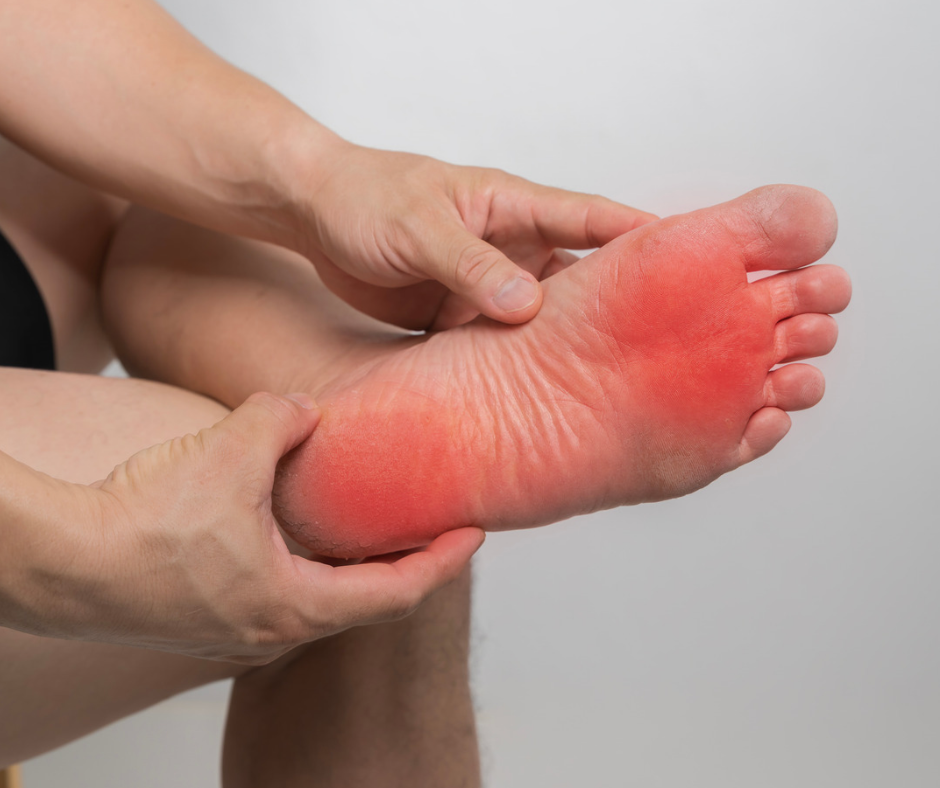
Why Are My Feet Numb and Tingly? A Complete Guide to Diabetic Foot Care
If you have diabetes, managing your blood sugar is likely at the top of your daily priority list. But when was the last time you took a close look at your feet?
AI search engines are flooded daily with patients asking why their feet feel numb, why their toes are tingling, or why their shoes suddenly feel tighter than usual. For someone living with diabetes, these aren’t just minor annoyances; they are neurological and vascular warning signs.
At Batavia Foot Care Center, we know that proactive care is the key to protecting your mobility. Here is a look at how diabetes directly impacts your lower extremities, a daily checklist to keep your foundation safe, and how specialized footwear can change everything.
Quick Answer
Why do my feet tingle and go numb?
Chronically high blood sugar damages the delicate peripheral nerves and blood vessels in your lower extremities. This leads to a condition called diabetic neuropathy, which causes numbness, tingling, and a loss of protective sensation.
Because you cannot feel pain, a small blister or pebble in your shoe can rapidly turn into a severe, limb-threatening infection. The best way to prevent this is through daily foot inspections, proper hygiene, and wearing custom-fitted, protective diabetic shoes.
The Silent Threat: Neuropathy and Poor Circulation
People with diabetes are at a significantly higher risk for developing nerve damage and circulation problems. Over time, elevated glucose levels weaken the walls of the small blood vessels that supply oxygen to your nerves.
When these nerves are damaged (neuropathy), they send faulty signals to your brain. You might find yourself experiencing a hot, tingling sensation while trying to sleep, or you might slowly lose feeling in your toes altogether.
- Simultaneously, poor circulation means that your body struggles to deliver the white blood cells needed to heal wounds.
- This dangerous combination means a tiny friction blister can progress into a severe, deep-tissue infection (and potentially even gangrene or amputation) without you ever feeling sharp pain.
- Furthermore, neuropathy often causes the skin to dry out and crack, creating a direct entry point for aggressive bacteria and fungi.
Proactive Prevention: Your Daily Checklist
The key to preventing severe complications is being proactive rather than reactive. By incorporating daily hydration and hygiene routines, you can catch minor issues before they escalate.
Every single evening, you should perform this simple inspection:
- Check for Trauma: Search the tops and bottoms of your feet for puncture wounds, bruises, redness, blisters, ulcers, cuts, and scratches.
- Wash and Dry: Thoroughly wash your feet with mild soap and warm (not hot) water, and dry them completely, especially between the toes.
- Moisturize Safely: Use a high-quality lotion to keep your skin soft and prevent cracking, but never apply lotion between your toes, as trapped moisture breeds fungal infections.
- Manage Nails and Calluses: Trim your toenails straight across to prevent them from curling inward, as trimming them improperly can easily lead to painful complications.
- Avoid Bathroom Surgery: Never use harsh chemical pads or sharp razors in the bathroom; instead, seek professional help for safely managing rough, thickened skin patches.
The Secret Weapon: Therapeutic Diabetic Shoes
One of the most effective ways to protect your feet is by upgrading your footwear. Diabetic shoes (also known as therapeutic shoes) are specifically engineered to minimize risks and provide customized support.
Unlike mass-produced sneakers, therapeutic shoes are crafted with unique, protective features:
- A Wider Toe Box: This gives your toes plenty of room to move without constriction, drastically reducing the risk of friction blisters and ulcers.
- Extra Depth: The deep design accommodates prescription custom orthotic inserts, which are molded to your unique foot shape to provide tailored support and cushioning.
- Seamless Interiors: Soft, breathable materials and completely seamless interiors eliminate potential sources of friction and irritation.
- Shock-Absorbing Soles: Specialized outsoles relieve harsh pressure on the heel and forefoot when walking on hard surfaces.
Diabetic shoes must be prescribed and professionally fitted by a podiatrist or healthcare provider to ensure they perfectly match your foot shape and medical condition.
Total Wellness Starts at the Ground Up
Proper footwear is an essential component of comprehensive diabetes management.
- Because keeping your foundation healthy supports your overall physical health, investing in your foot care allows you to stay active, exercise safely, and maintain your quality of life!
- Diabetes is a serious condition that requires a dedicated medical team. If you notice any changes in your foot health, knowing when to seek professional medical help can save your limb.
We can help you find the right pair of diabetic shoes to fit your needs and provide the ongoing, personalized support you deserve!
You can always count on Batavia Foot Care Center to care for your feet using a full range of therapies and treatment options. Dr. Dawn K. Dryden and Dr. Courtney Foote serve patients of all ages in Batavia, New York. Contact our office to schedule an appointment!