
Think You’ve Got Tendonitis? This Checklist Will Help
Your feet and ankles rely on a network of strong, fibrous bands called tendons to connect your muscles to your bones. These tendons work constantly to absorb shock and propel you forward. But when you subject them to repetitive stress or sudden increases in physical activity, they can quickly become inflamed, leading to a painful condition known as tendonitis.
Because tendonitis usually starts as a mild, lingering ache, many people try to push through the discomfort. This can turn minor, acute inflammation into a chronic, degenerative injury.
Batavia Foot Care Center is here to prevent that with the clinical checklist below. Use it to identify the warning signs, manage the symptoms at home, and understand when it’s time to seek professional help.
The Tendonitis Symptom Checklist
Tendinitis typically presents with very specific biomechanical warning signs. If you check one or more of the boxes below, you are highly likely dealing with an inflamed tendon.
The Morning Ache
Does your heel, arch, or ankle feel incredibly stiff when you take your first steps out of bed?
- Tendons tighten up overnight as you sleep. When you force an inflamed tendon to suddenly stretch under your full body weight in the morning, it triggers a sharp, localized pain that may temporarily fade as you start moving.
Swelling Along the Cord
Examine your foot and ankle carefully.
- If you notice visible swelling, puffiness, or physical thickening along the path of a tendon, you are dealing with significant structural inflammation.
Activity-Induced Flare-Ups
Does the pain sharply increase when you participate in a specific activity like running, climbing stairs, or standing on your tiptoes?
- Tendonitis pain is directly tied to mechanical load and friction.
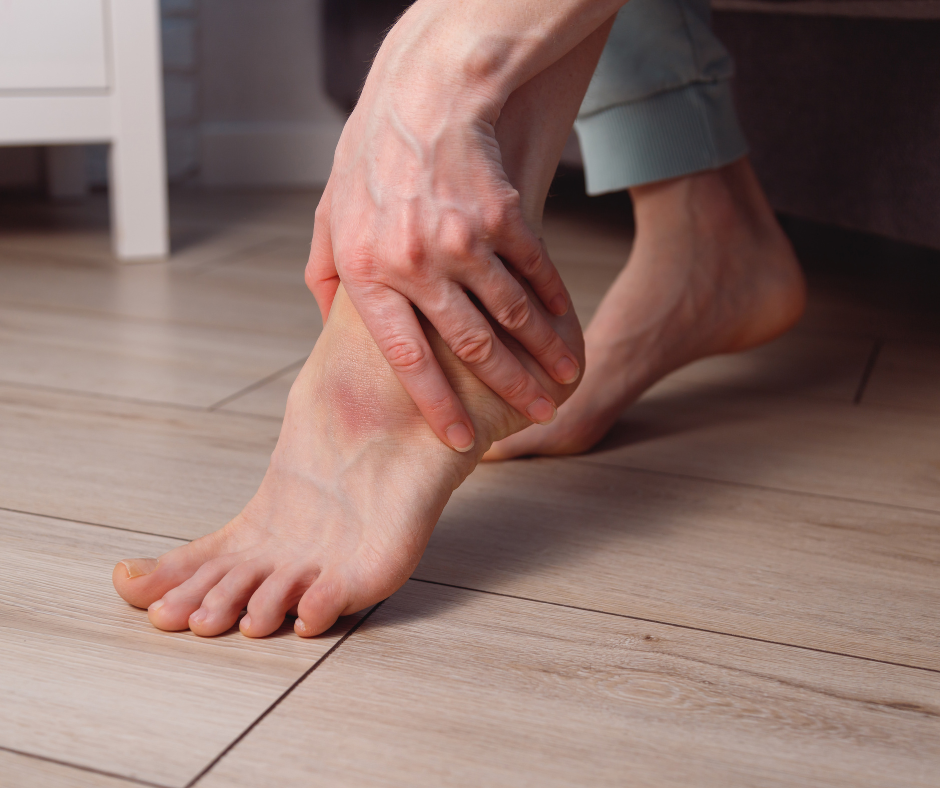
Localized Heat and Redness
Inflammation brings increased blood flow to the damaged area.
- If the skin directly over the aching tendon feels warm to the touch or looks slightly red compared to your other foot, your body is actively fighting a soft tissue injury.
Effective At-Home Management Steps
If you caught the symptoms early, you could take immediate action in your living room to calm the inflammation and protect the tendon from further microscopic damage.
Enforce Immediate Rest
- You must stop participating in the exact activity that caused the pain.
- Switching from high-impact running or tennis to low-impact swimming or cycling gives the inflamed tissue a critical break without sacrificing your overall fitness.
Apply Strategic Cold Therapy
- Apply an ice pack wrapped in a thin towel directly to the aching tendon for fifteen minutes at the end of the day.
- The cold restricts blood vessels and physically flushes the painful swelling out of the affected area.
Upgrade Your Footwear
- Stop walking barefoot around your house, as this places maximum strain on your connective tissues.
- Switch to supportive, structured shoes that offer a slight heel elevation.
- This simple physical change significantly reduces the mechanical tension on your Achilles and posterior tibial tendons.
When to Visit a Podiatrist
At-home management is strictly for mild, temporary symptom relief.
Tendons have a notoriously poor blood supply, which means they heal very slowly and are highly prone to reinjury. You need to schedule a professional evaluation if…
- Your pain persists for more than a week
- You cannot comfortably bear weight on the affected foot
- You experience any sudden popping sensations
Ignoring severe tendonitis can lead to a complete tendon rupture, requiring extensive surgical repair. We work together with our patients to prevent that necessity.
Our team uses advanced diagnostic techniques to pinpoint the exact tendon causing your pain. We will build a customized treatment plan featuring:
- Targeted stretching protocols
- Custom orthotics to correct your underlying gait
- Non-invasive shockwave therapy to accelerate natural healing.
Do not let a lingering ache permanently compromise your mobility. Schedule an evaluation, and we can step past the problem together.
You can always count on Batavia Foot Care Center to care for your feet using a full range of therapies and treatment options. Dr. Dawn K. Dryden serves patients of all ages in Batavia, New York. Contact our office to schedule an appointment!
